VIAVI 6G Forward Program
1:48
Description
Related Videos
To succeed in 6G, we need a fundamental change in perspective. This means maximizing technologies like Open RAN, Cloud, AI, and satellite while fostering strong partnerships within our ecosystem.
View More
View Less
Related Videos
In 6G
-
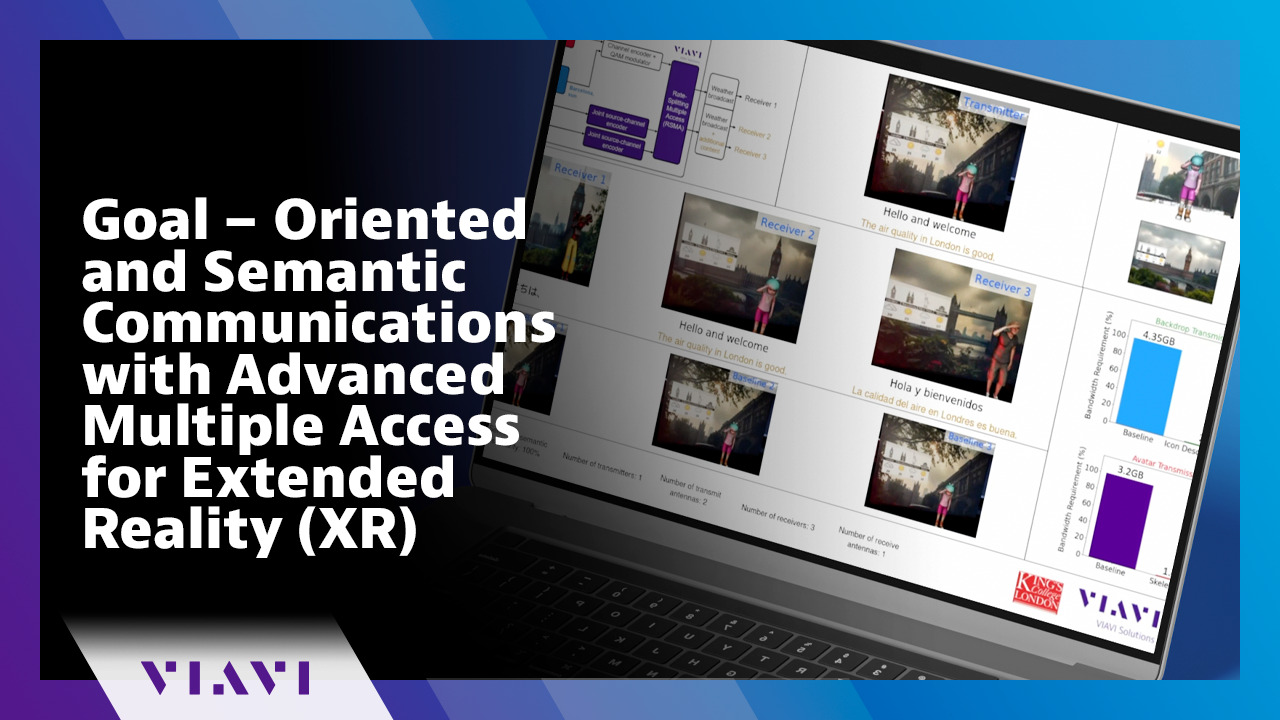
Play video Goal – Oriented and Semantic Communications with Advanced Multiple Access for Extended Reality (XR)
Goal – Oriented and Semantic Communications with Advanced Multiple Access for Extended Reality (XR)
Showcasing new methods to transmit efficiently, high-quality content to multiple users within a small bandwidth.
2:46
-
Play video Network Digital Twins
Network Digital Twins
VIAVI Network Digital Twin: Full Walkthrough | End‑to‑End AI‑Driven Network Simulation
2:56
-
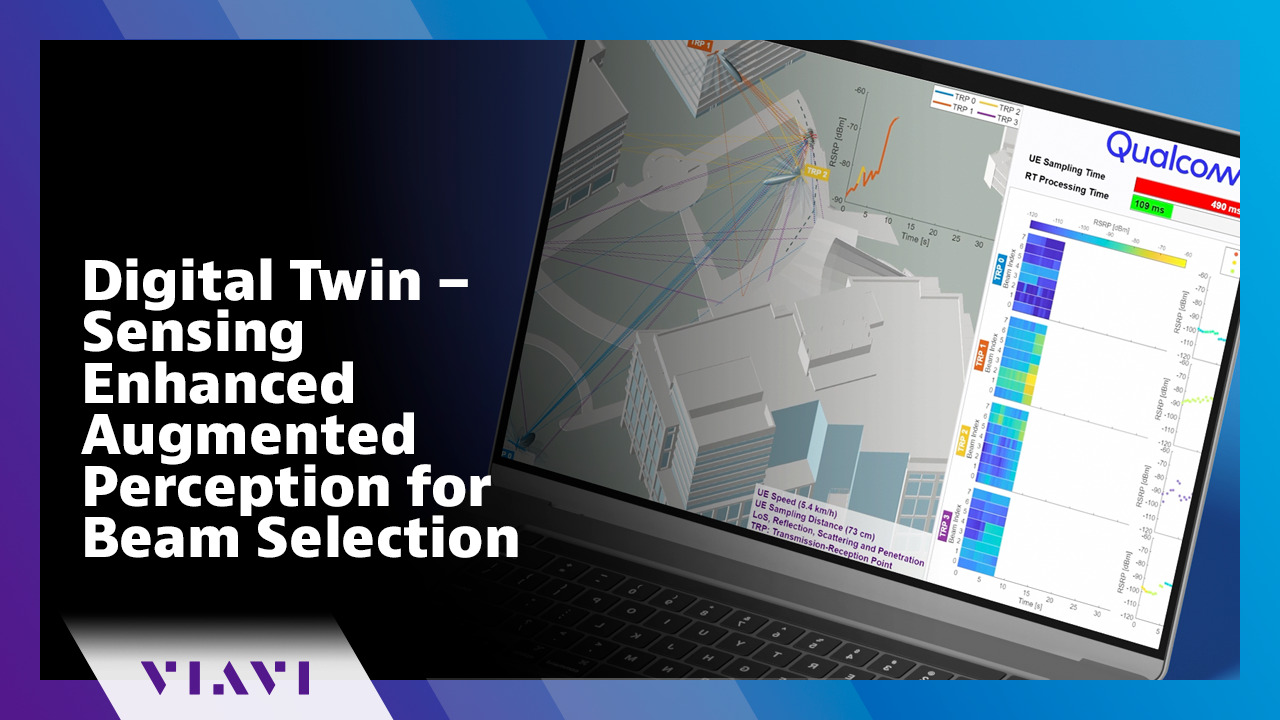
Play video Digital Twin – Sensing Enhanced Augmented Perception for Beam Selection
Digital Twin – Sensing Enhanced Augmented Perception for Beam Selection
Showing how real-time digital twin can provide accurate measurements to enhance perception performance for beam selection.
1:48
-
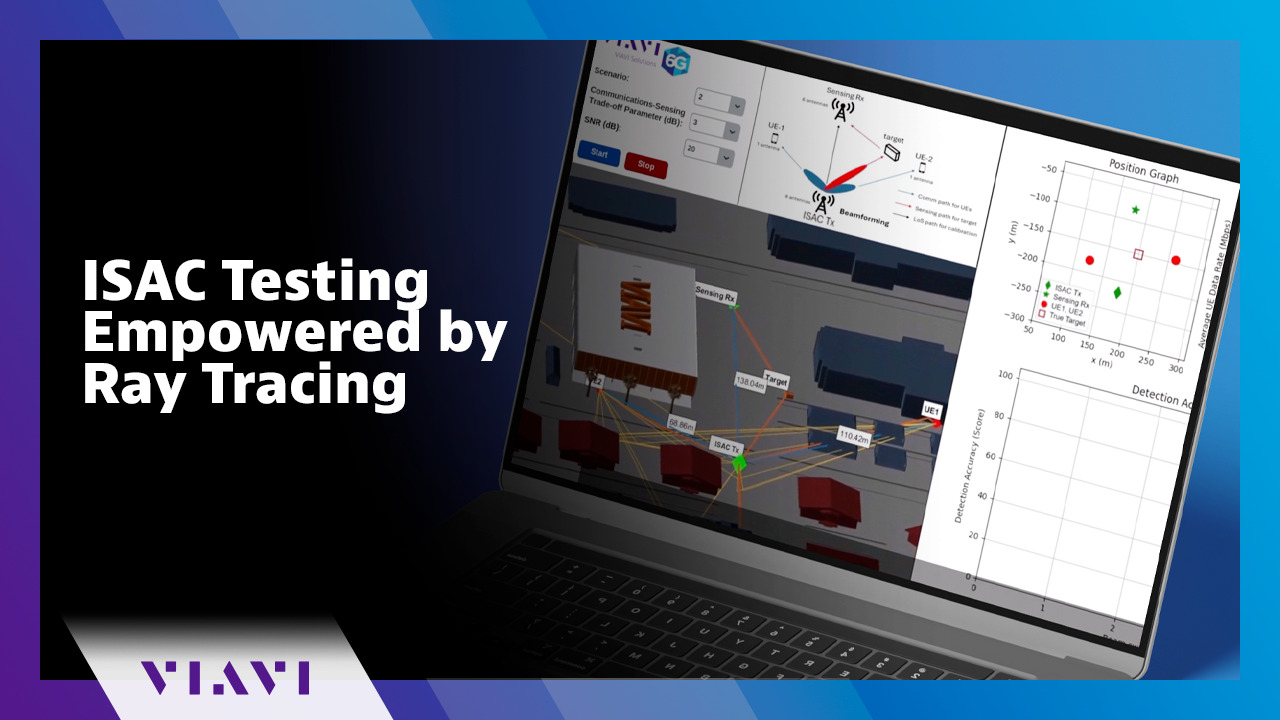
Play video ISAC Testing Empowered by Ray Tracing
ISAC Testing Empowered by Ray Tracing
Testing Integrated Sensing Communication Algorithms at the Base Station, using ray tracing technology.
3:02
-
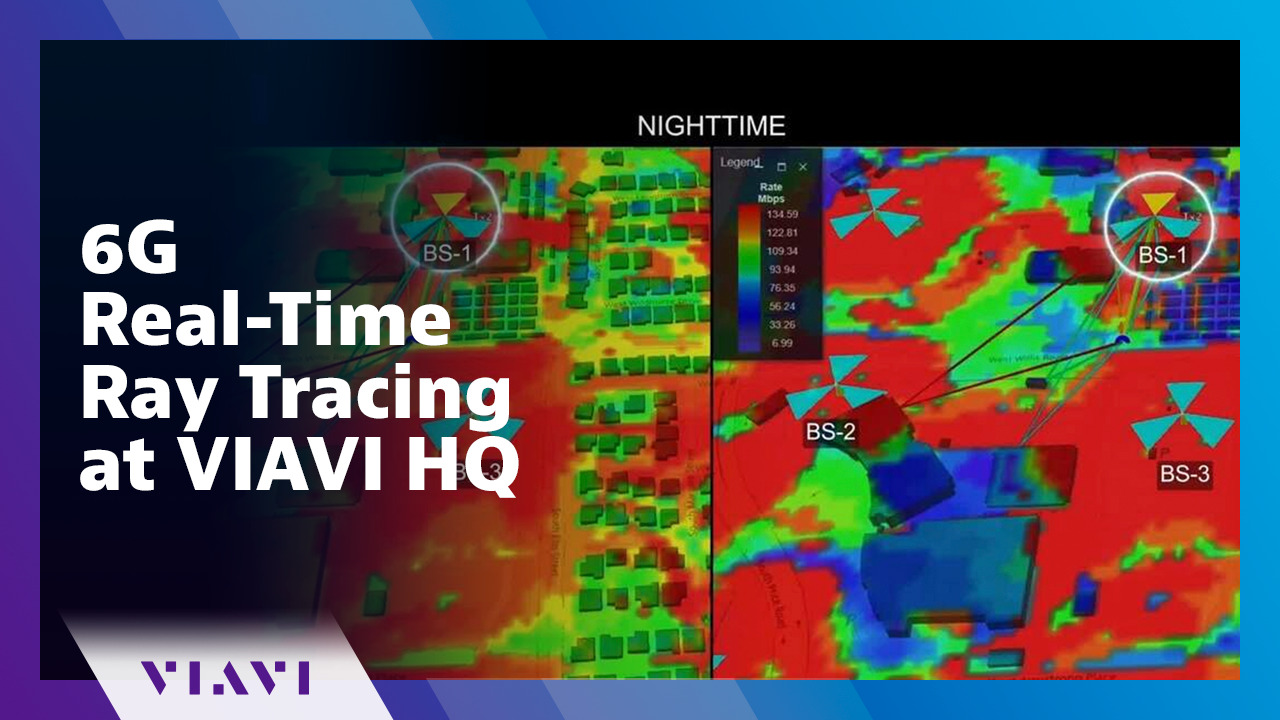
Play video 6G Real-Time Ray Tracing at VIAVI HQ
6G Real-Time Ray Tracing at VIAVI HQ
In this demo we show Autonomous AI network optimization at VIAVI headquarters for energy saving use-case.
1:41
-
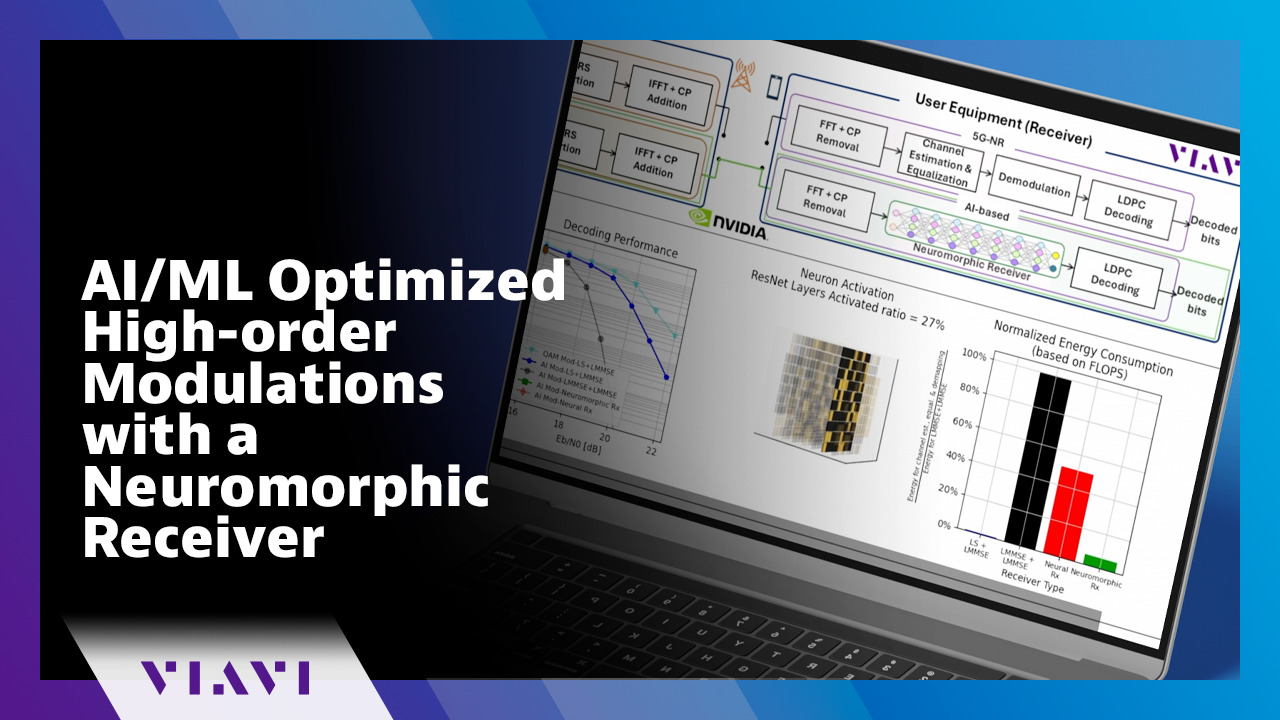
Play video AI/ML Optimized High-order Modulations with a Neuromorphic Receiver
AI/ML Optimized High-order Modulations with a Neuromorphic Receiver
Showing the transformative potential of AI in Radio Access Networks (RAN), as a part of the AI-RAN alliance initiative.
2:50